
Static ads are cheaper and faster to produce than video, which is exactly why so many accounts default to them. But cost-to-produce and cost-to-sustain are two different numbers, and on the second one, static ads tend to lose to video over the life of a campaign.
A Static Ad Only Has One Layer to Vary
A static image has a headline, a visual, and a CTA — three components, but only really one moment of attention. There's no pacing, no sequence, no hook-versus-body distinction to exploit. Once someone has seen the image, they've seen the entire ad; there's nothing left to hold attention on a second exposure.
Video Has More Surface Area to Refresh
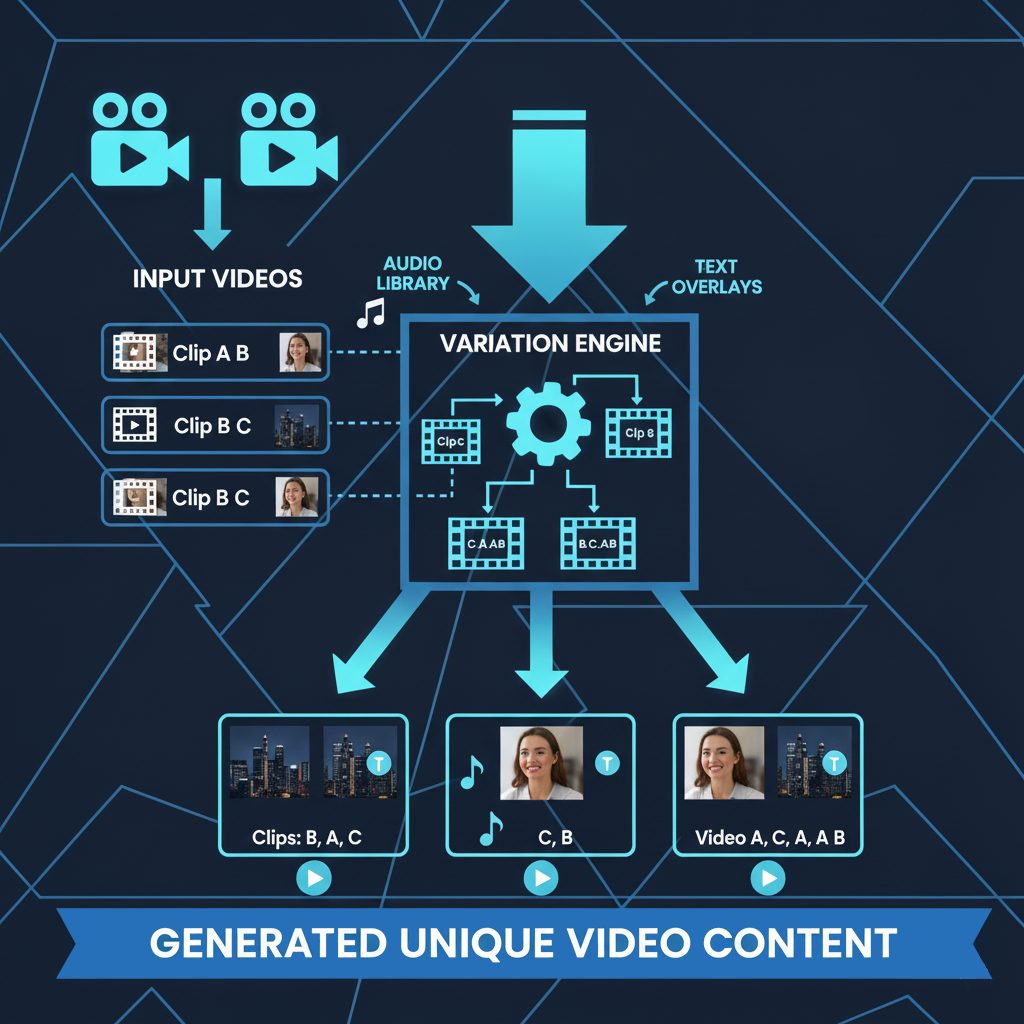
A video ad's hook, body, and CTA can each be refreshed independently, which means a fatiguing video ad often just needs its opening few seconds replaced — the static equivalent of that fix would mean redesigning the entire creative, because there's no separable "opening" to a still image.
Where Static Still Wins
Static creative is faster and cheaper to produce at the first pass, and for placements where video underperforms structurally — certain feed positions, certain audiences with data constraints — static remains the more efficient choice. This isn't an argument for abandoning static ads; it's an argument for where each format's strengths actually apply.
The Real Comparison Is Refresh Cost Over Time
A single static ad might cost less to make than a single video ad. But a video ad that gets three hook refreshes over its lifetime, each cheap to produce, usually ends up costing less per week of usable life than replacing an entire static creative every time it fatigues.
Combining Both Instead of Picking One
The strongest accounts don't run one format exclusively — they use static for fast top-of-funnel testing and video for the ads that are carrying real budget and need a longer usable lifespan through hook rotation.
Making Video's Refresh Advantage Actually Usable
Refreshing a video ad's hook only saves time if generating that new hook doesn't require a full production cycle. Genyad generates new hooks, scripts, and voiceovers from existing footage, which is what actually makes video's refresh advantage over static real in practice, not just theoretical.
Running a static ad that's been live for a month? See what the same message looks like as a refreshable video variation.