
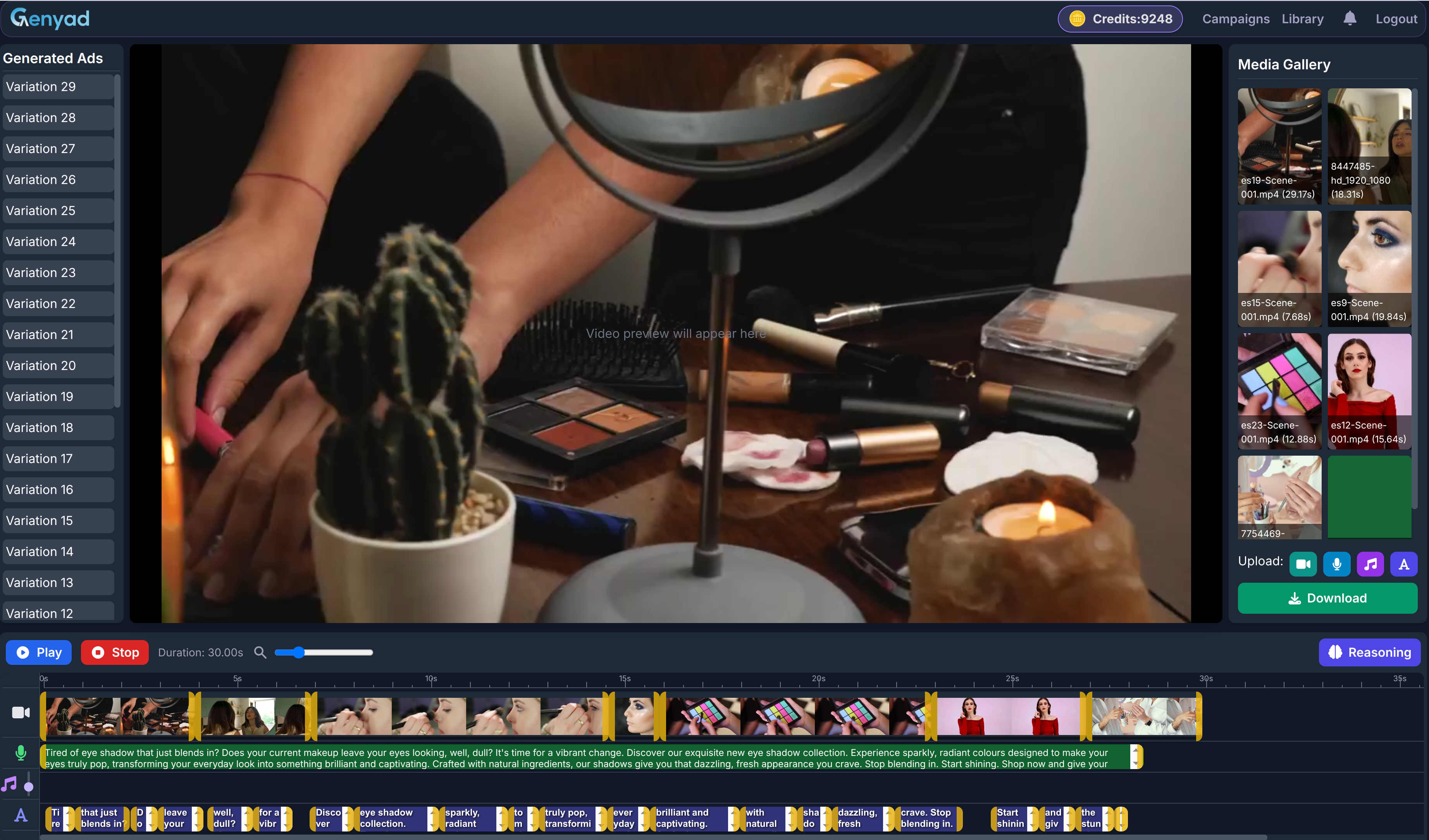
The gap between "the AI generated something usable" and "the AI generated exactly what I needed" is almost always the brief, not the tool. A vague prompt gets a vague result regardless of how capable the underlying model is — the same way a vague creative brief gets a mediocre result from a human editor.
This is really the question behind how teams create fast campaign asset variations automatically: not whether the AI is capable, but whether the brief gives it enough to work with on the first try.
Treat It Like Briefing an Editor, Not Searching a Database
The instinct with AI tools is often to type a short, search-engine-style query. A better mental model is briefing a competent editor who has your footage but no context on your brand, your audience, or what's already been tried. The more of that context you give up front, the less back-and-forth it takes to get to a usable draft.
The Four Things Worth Specifying Every Time
- What to vary — hook, CTA, voiceover language, or all three. Being specific here avoids getting a version that changed the wrong thing.
- What to hold constant — if the product story is already working, say so explicitly, so it doesn't get regenerated along with everything else.
- Tone and register — direct and benefit-led reads very differently from casual and conversational; naming it upfront avoids a mismatch on the first pass.
- Destination platform — a hook built for a 6-second TikTok attention span is a different brief than one for a longer YouTube pre-roll.
What to Leave Out of the Brief
Over-specifying exact wording defeats the purpose — if you already know exactly what line you want, you're writing the ad yourself and just need a voiceover. The brief works best when it constrains direction and tone, and leaves the specific phrasing to be generated and reviewed.
Reviewing Output Against the Brief, Not Against Perfection
The first draft doesn't need to be launch-ready — it needs to be evaluated against what the brief actually asked for. A hook that nails the tone and platform fit but needs a line adjusted is a much smaller fix than starting over, and it usually means the brief worked even if the exact wording didn't land first try.
Iterating Without Starting Over
If a draft misses, the fastest fix is usually narrowing the brief rather than abandoning it — naming specifically what didn't land (too long, wrong tone, wrong platform pacing) gets a closer second draft than a completely new prompt.
Writing your next brief? Generate the first draft from your existing footage and adjust from there instead of starting from a blank page.